What To Know Https. //youtu. काठमाडौं । चर्चित लोक तथा दोहोरी गायक खुमन अधिकारीको नयाँ गीत ‘सरी मायालु’ सार्वजनिक भएको छ। अधिकारी र गायिका शान्ता…
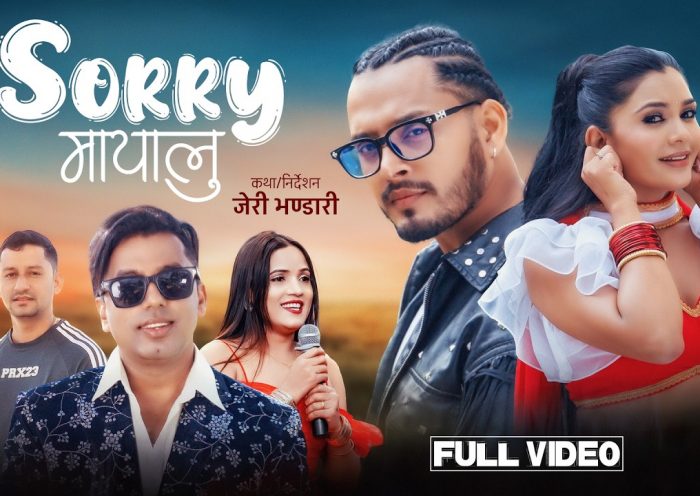


What To Know Https. //youtu. काठमाडौं । चर्चित लोक तथा दोहोरी गायक खुमन अधिकारीको नयाँ गीत ‘सरी मायालु’ सार्वजनिक भएको छ। अधिकारी र गायिका शान्ता…

What To Know नेपाली चलचित्र क्षेत्रका महानायक राजेश हमालको जीवन, अभिनय, व्यक्तित्व र बोली दशकौंदेखि लाखौं दर्शकको मनमा बसेको छ। उनी एक सफल कलाकार मात्र…

What To Know Https. //youtu. बर्दिवास । भोजपुरी संगीत पारखीहरूका लागि नयाँ म्युजिक भिडियो ‘दे दन प्यार गोरी’ सार्वजनिक भएको छ । यस भिडियोमा सागर…

What To Know अल्लु अर्जुनले दुर्घटनामा ज्यान गुमाएका महिलाका परिवारप्रति समवेदना पनि व्यक्त गरेका छन् । उनले यो घटनालाई दुर्भाग्यपूर्ण भनेका छन् । यद्यपि, उनले…

What To Know प्रतियोगितामा सुमना केसीले ‘मिस नेपाल अर्थ २०२४’ र करुणा रावतले ‘मिस नेपाल इन्टरनेशलन २०२४’ को उपाधि जित्नुभयो । यस वर्ष ‘मिस वर्ल्ड’मा…
What To Know
There is something electric about game day—a mix of hope, strategy, and the thrill of the unknown. For many fans, the experience has evolved far beyond simply watching the clock tick down. The modern spectator wants to be part of the action. That is where fantasy sports have carved out a lasting legacy, changing how we engage with every play, pass, and punt. But successful engagement requires more than just luck; it asks for a thoughtful approach that blends research, intuition, and a touch of daring. Whether you are a seasoned player or just dipping your toes in the water, the landscape is rich with opportunity. Many players have found that pairing their game-day rituals with a trusted platform like Draftkings promo adds an extra layer of excitement to an already thrilling season.
The premise is simple yet intoxicating: build a lineup of real athletes, earn points based on their actual statistical performance, and compete against others. But the difference between a casual player and a consistent winner often lies in the details. It is not about blindly picking superstars; it is about value hunting and identifying matchup advantages that the crowd might overlook. Sharp players dig into advanced metrics, injury reports, weather forecasts, and even travel schedules. They know that a running back facing a weak run defense on a cold, rainy day is worth a premium slot, while a wide receiver matched against a shutdown corner might be best left on the virtual bench. This is the art of daily fantasy sports—a constant dance of risk and reward.
Many newcomers fall into the trap of overcomplicating their strategy. They spend hours tweaking lineups, second-guessing every pick, and chasing the “perfect” roster. In reality, the best approach is often one of structured simplicity. Start by focusing on high-volume players—those who consistently touch the ball or have a heavy workload. In football, that means targeting running backs who get 20-plus carries or wide receivers who see 10-plus targets per game. In basketball, it is about minutes on the court; in baseball, plate appearances matter.
A reliable strategy is to prioritize safety over ceiling in cash games, where you simply need to beat half the field. In tournaments, however, you may want to take more calculated gambles on players with high upside but lower floor—a rookie quarterback with a strong arm against a vulnerable secondary, for example. These contrasting mindsets are what separate consistent earners from one-hit wonders.
One of the most overlooked aspects of fantasy play is differentiation. If you enter a large tournament with a lineup that mirrors the majority of entries, your chances of winning are marginal at best. You need to stand out. This means fading popular players in favor of less-known talents who have a favorable path to production. This is not about being contrarian for the sake of it; it is about identifying leverage points where the public is sleeping on a potential breakout. The moment you find a tight end facing a defense that allows the most fantasy points to the position, you have found an edge.
Each of these elements feeds into a broader analytical framework that helps you make more informed decisions. The players who consistently win are those who treat each slate as a puzzle, not a lottery.
| Contest Type | Best For | Core Strategy | Risk Level |
|---|---|---|---|
| Cash Games (50/50s, H2Hs) | Building bankroll steadily | Safe, high-floor lineups | Low to Moderate |
| Tournaments (GPPs) | Chasing top-heavy prizes | High-ceiling with unique stacks | High |
| Single Entry / Three Entry Max | Limited lineup flexibility | Optimized, well-researched core | Moderate |
| Multi-Entry (20+ lineups) | Mass exposure to variance | Diverse combos covering many outcomes | Very High |
Understanding where you fall in this spectrum is crucial. You would not drive a sports car on a rocky trail, and you should not enter a high-stakes tournament with a cash-game mentality. Match your strategy to your contest.
Even experienced players make mistakes. One of the most frequent is chalk chasing—loading up on the most popular players simply because everyone else is doing it. Another is overexposure to a single game, which can decimate a bankroll if that game turns into a low-scoring affair. Discipline is key. Set a budget, stick to it, and never chase losses. The best players treat each contest as an independent event, not a way to recover from a previous loss.
Additionally, avoid the trap of recency bias. A player who had a monster week is not automatically a repeat performer. Look at their upcoming matchup, usage trends, and health status. Similarly, do not abandon a player who underperformed if the underlying metrics were strong—sometimes the numbers just need a little regression to the mean.
Q: How much time should I spend researching lineups each week?
A: It depends on your goals. For casual players, 30–60 minutes of focused research is enough. Serious competitors often spend two to four hours looking at advanced stats, ownership projections, and news updates.
Q: Is it better to play cash games or tournaments?
A: Cash games offer more consistent, lower-risk returns and are ideal for building a bankroll. Tournaments offer life-changing prizes but have much higher variance. Many successful players mix both.
Q: What is the most common mistake new players make?
A: Overpaying for big-name stars without considering value. A superstar with a tough matchup and high salary can sink your lineup if you cannot afford decent players elsewhere.
Q: How important is ownership projection?
A: Very important, especially in tournaments. If a player is projected to be highly owned, fading them can create a significant advantage if they underperform—but it also increases risk.
Q: Should I always stack a quarterback with his wide receiver?
A: Stacking can be a powerful strategy in tournaments because it amplifies scoring potential from a single game. In cash games, it is generally less beneficial because you want stable independent production.
Q: Do weather reports really matter that much?
A: Absolutely. Rain, snow, and especially wind can drastically reduce passing efficiency. Checking the forecast for every game on the slate is a simple but effective edge.
Ultimately, smart play comes down to preparation, patience, and a willingness to learn from each slate. The season is long, and every contest is a new chance to apply what you have discovered. Approach it with curiosity and discipline, and there is no limit to how high you can soar.